
Sitemap
A list of all the posts and pages found on the site. For you robots out there, there is an XML version available for digesting as well.
Pages
Posts
Future Blog Post
Published:
This post will show up by default. To disable scheduling of future posts, edit config.yml and set future: false.
Blog Post number 4
Published:
This is a sample blog post. Lorem ipsum I can’t remember the rest of lorem ipsum and don’t have an internet connection right now. Testing testing testing this blog post. Blog posts are cool.
Blog Post number 3
Published:
This is a sample blog post. Lorem ipsum I can’t remember the rest of lorem ipsum and don’t have an internet connection right now. Testing testing testing this blog post. Blog posts are cool.
Blog Post number 2
Published:
This is a sample blog post. Lorem ipsum I can’t remember the rest of lorem ipsum and don’t have an internet connection right now. Testing testing testing this blog post. Blog posts are cool.
Blog Post number 1
Published:
This is a sample blog post. Lorem ipsum I can’t remember the rest of lorem ipsum and don’t have an internet connection right now. Testing testing testing this blog post. Blog posts are cool.
portfolio
Portfolio item number 1
Short description of portfolio item number 1
Portfolio item number 2
Short description of portfolio item number 2
projects
COMPUTATIONAL MODELLING FOR SOCIAL AND BEHAVIOURAL DYNAMICS AND IMPACT ASSESSMENT
A research of Modeling human behaviour and social systems 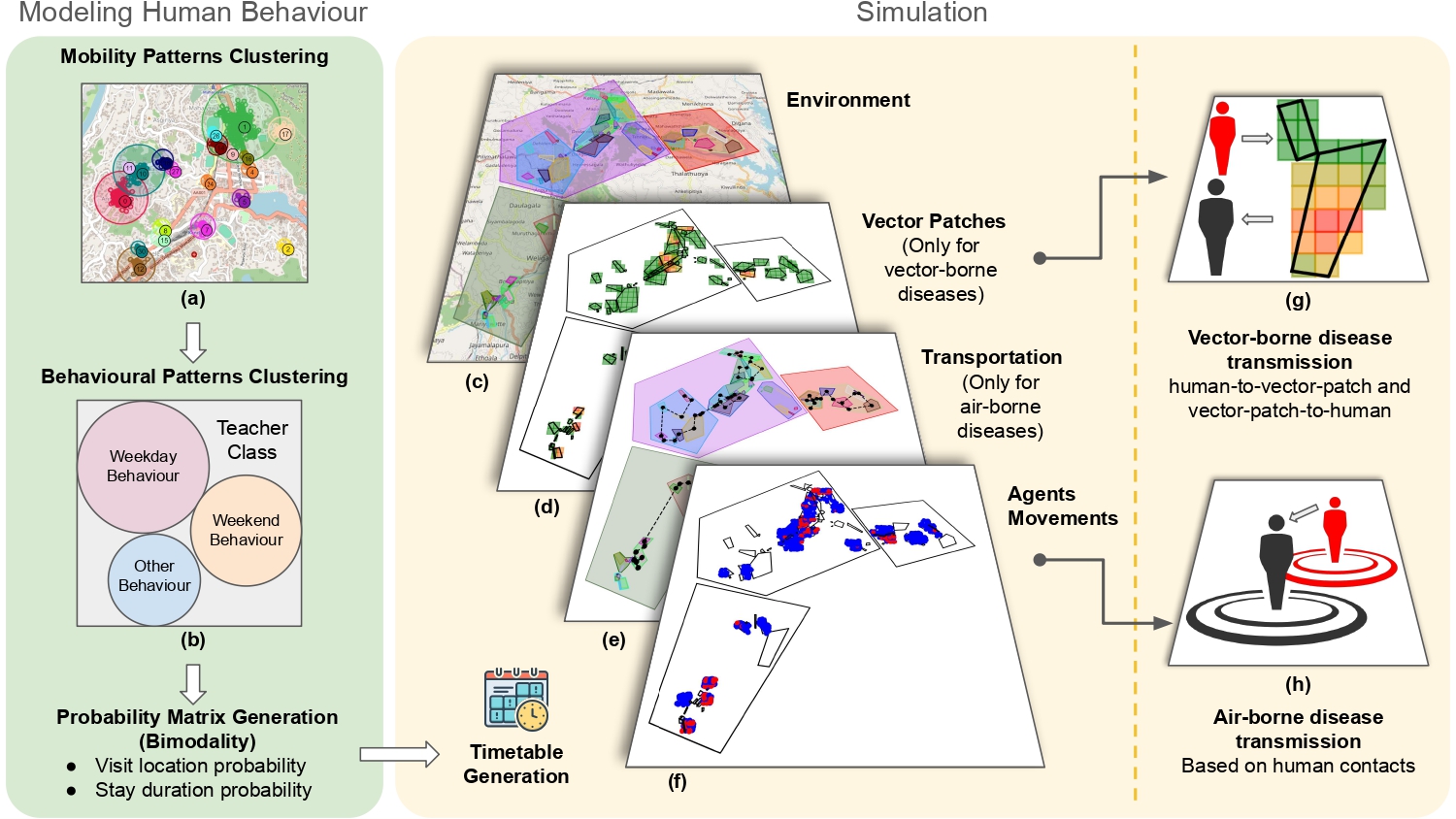
GLASS IMPURITY DETECTION
Computer vision for manufacturing 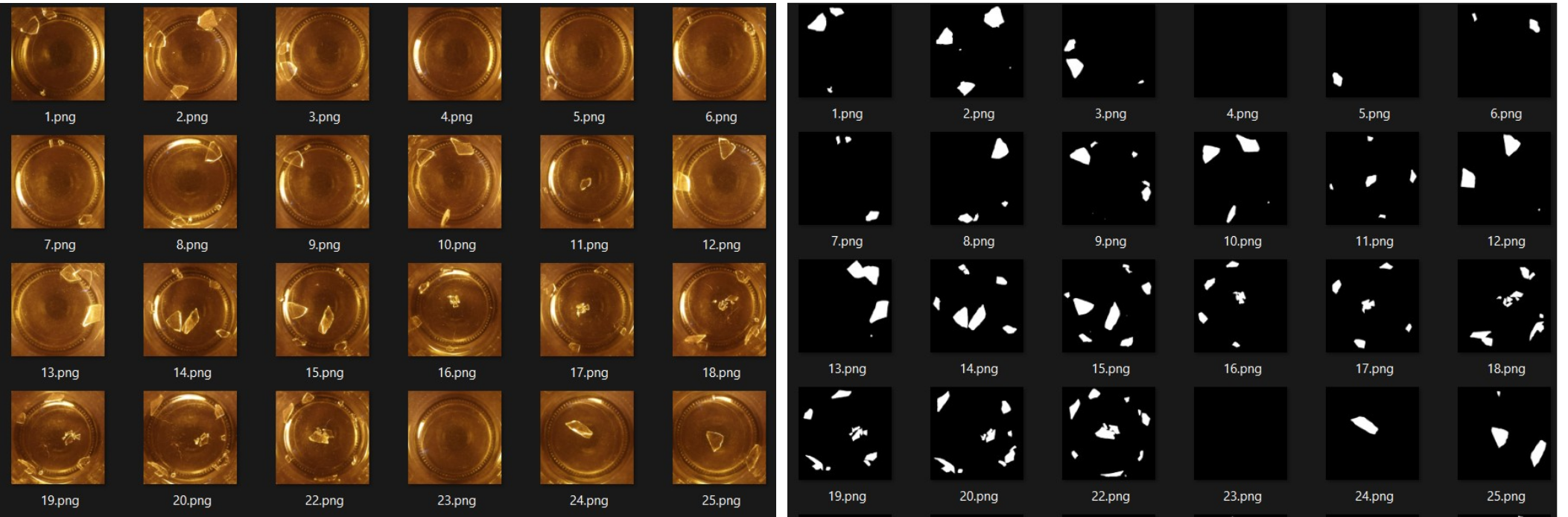
IMPLICIT NEURAL REPRESENTATIONS
A deep study of spectral characteristics of INRs 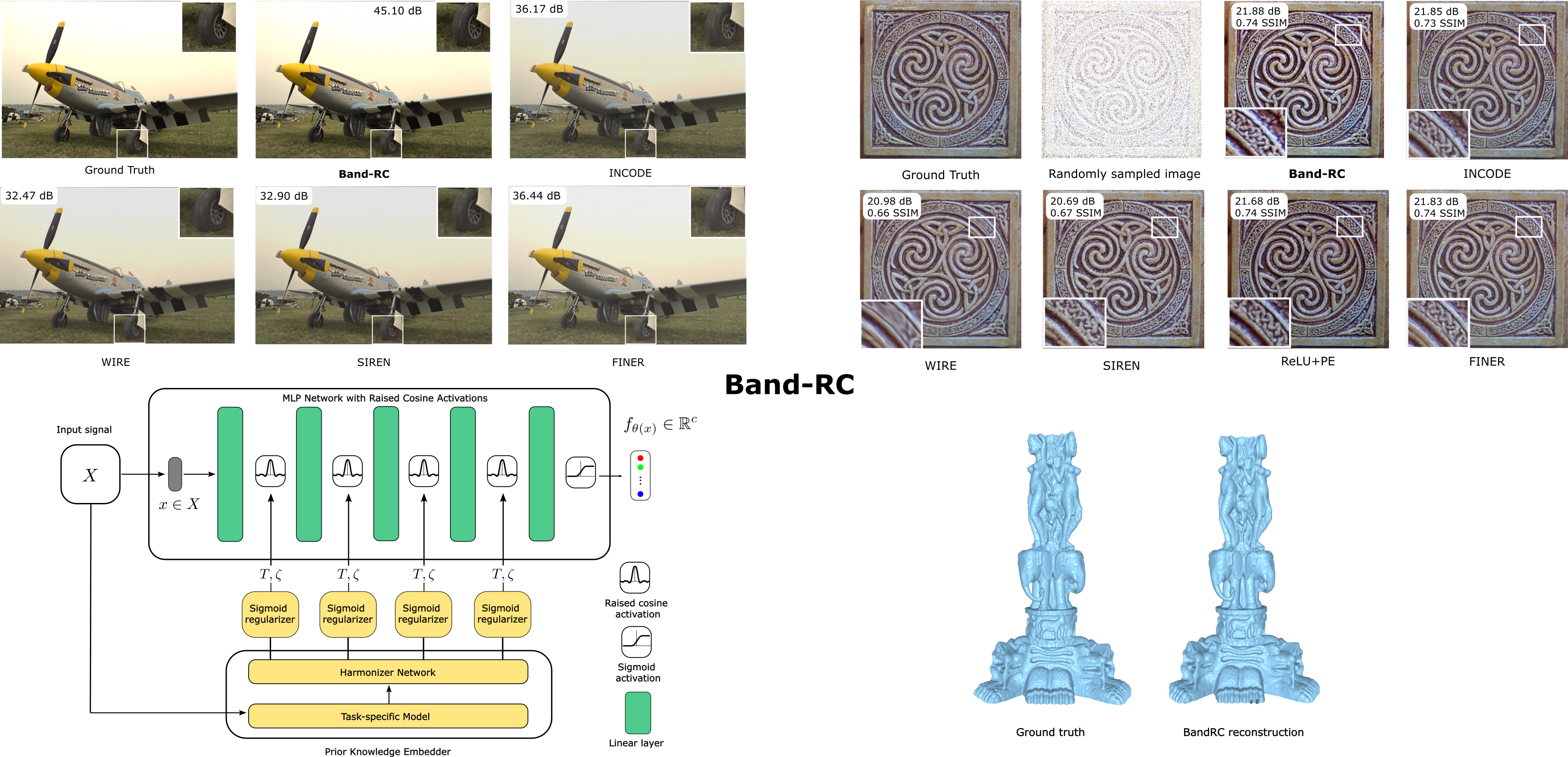
publications
Unveiling Motion Patterns through Unsupervised Clustering
Published in ICAC, 2025
BandRC: Band Shifted Raised Cosine Activated Implicit Neural Representations
Published in Arxiv, 2025
AVSim-Realistic Simulation Framework for Airborne and Vector-Borne Disease Dynamics
Published in Arxiv, 2025
From Samples to Functions: Implicit Neural Representations for Continuous Modeling
Published in ICIIS, 2025
In the domain of signal representation, Implicit Neural Representations (INR) are emerging as a new trend. INRs offer a compact, memory-efficient, and scalable way to represent signals. Essentially, INRs are a class of functions that can learn a continuous representation from a given discrete signal. An INR can be formulated by building a multi-layer perceptron network equipped with specially tailored activation functions. It is extensively shown that INR networks excel at solving complex inverse problems. This study presents a comprehensive analysis of current INR methods with a detailed performance comparison against classical methods for representation tasks and inverse problems. For image denoising, SOTA INRs are able to retain structural information more effectively (with +0.35 SSIM over best classical methods) though PSNR of classical methods are higher. Also showcased is the storage efficiency for INRs in 3D reconstruction (with INRs occupying approximately 1\% of storage compared to classical representations). However, for representations with lower complexity, classical methods still remain superior (with +12.44 dB PSNR over SOTA INRs for image representation and +2.47 dB for 6X image super-resolution).
talks
Talk 1 on Relevant Topic in Your Field
Published:
This is a description of your talk, which is a markdown file that can be all markdown-ified like any other post. Yay markdown!
Conference Proceeding talk 3 on Relevant Topic in Your Field
Published:
This is a description of your conference proceedings talk, note the different field in type. You can put anything in this field.
teaching
Teaching experience 1
Undergraduate course, University 1, Department, 2014
This is a description of a teaching experience. You can use markdown like any other post.
Teaching experience 2
Workshop, University 1, Department, 2015
This is a description of a teaching experience. You can use markdown like any other post.